Some links on this page are affiliate links: we may earn a commission if you buy, and your price doesn't change. Details
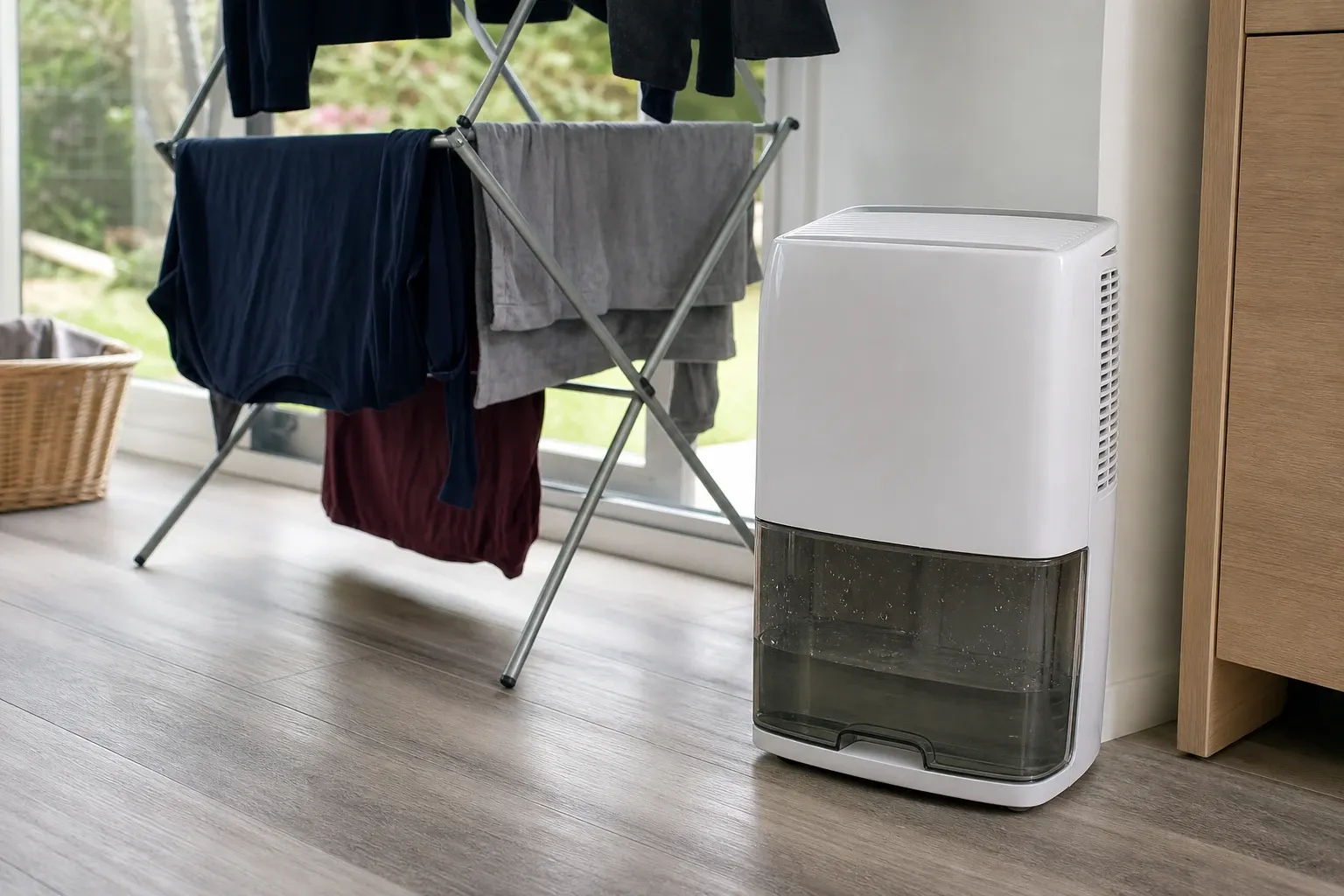
Atmospheric water generator vs dehumidifier: which one fits your goal?
An atmospheric water generator and a dehumidifier use the same physics, but they’re built for different jobs. Pick by what you actually want the machine to do.
- You want drier air: buy a standard dehumidifier. That’s its job. Use its water for plants, cleaning or flushing.
- You want a finished water appliance: look at a ready-made atmospheric water generator. Compare current prices, running costs and filter costs for the models you like.
- You like building things and want to learn how: a build guide such as the Water Freedom System shows how to make your own unit with parts you choose.
- Everyone: water from a dehumidifier or a home build is not drinking water as collected. Boiling, bleach and household filters kill germs or catch particles, but they don’t remove metals or chemicals that coils, solder, drip pans or plastics not made for food can add.
The practical difference is intended use. Compare what each maker says the water is for, what the wetted parts are made of, what treatment is built in, and what upkeep the model needs.
Here are four things to check on any label before you think about drinking from a unit:
- Does the maker say the water is for drinking, or warn against it?
- Are the coil, tank and tubing documented as safe for drinking-water contact?
- Is there a built-in filter or disinfection stage, and what kind?
- What humidity and temperature does the stated output assume?
How do both machines take moisture out of the air?
Both machines use condensation: a fan pulls room air over a cold coil, and water drops out the way it beads on a glass of iced tea in summer.
Condensation: cool coil, warm humid air
The cooling coil is chilled by a compressor, the same kind of pump found in a fridge. When warm, damp air hits that coil, it cools past the temperature at which air drops its water (the dew point). The water that forms is called condensate, and it drips into a tray or tank.
A dehumidifier then blows the drier air back into the room. An atmospheric water generator collects the condensate for use. For any one model, read its manual to see the water’s path, its treatment stages and how to clean the tank.
Why output depends on humidity and temperature
Output from either machine rises and falls with relative humidity, the share of moisture the air is holding compared with the most it could hold at that temperature. Warm, muggy air gives up water easily. Cool or dry air gives up little, and the coil may frost.
That’s why no fixed gallons-per-day figure fits every home. A dehumidifier’s daily pint rating, such as a typical 50 to 70 pint unit, is measured at set test conditions, and your room may be very different. A unit in a humid Gulf Coast basement in July will behave very differently from the same unit in a dry Arizona garage in January. For a deeper look, see how atmospheric water generators work.
Quick tip: a cheap indoor hygrometer tells you your room’s humidity. Then compare the maker’s output data at similar humidity and temperature to get a rough estimate. Your real yield may differ.
Criteria table: purpose, treatment, cost and upkeep
A dehumidifier and an atmospheric water generator differ most in what the water is meant for, not in how they cool the air.
| Criteria | Standard dehumidifier (typical 50-70 pint unit, rated at test conditions) | Ready-made atmospheric water generator (finished drinking-water appliance) | Water Freedom System (build-it-yourself guide, not a dehumidifier) |
|---|---|---|---|
| Main purpose | Dry the room | Make water for drinking | Teach you to build a home unit |
| Water as collected | For plants, cleaning, flushing | Treated by the appliance itself | For plants, cleaning, flushing |
| Water treatment | None designed for drinking | Built in by the maker | Bonus book on filtration and purification |
| Wetted parts | Made for drying air | Chosen by the maker for drinking water | Depend on the parts you buy |
| Power use | Needs electricity | Needs electricity | Build needs electricity |
| Cost | Varies by model | Varies by model | $39.69 guide, paid once; about $270 of parts by the guide’s list |
| Upkeep | Empty and clean tank, care for filter per manual | Follow maker’s filter and cleaning schedule | You maintain what you build |
Coils and coatings
Dehumidifier coils are built to move heat, not to make drinking water. Don’t assume a dehumidifier coil or its coating is safe for drinking-water contact. If you’re weighing a water generator, ask the maker what its coil is made of and what coating it carries.
Collection tank and hoses
Water sits in a tank for hours at room temperature, which is a good home for slime and bacteria. Check what the tank and hose are made of and what the maker says they’re for, rather than assuming either suits drinking water.
Filters and air intake
An air filter cleans the air going over the coil. It doesn’t make the collected water drinkable. Compare the air-filter details of the models you’re considering, and check whether a water generator includes activated carbon, which helps with taste and some chemicals.
Treatment needs before drinking
A finished drinking-water generator treats its own water, so follow the maker’s instructions and filter schedule. Dehumidifier and home-build water is a different story. It’s only fit to drink if every wetted part is drinking-water safe, the treatment fits the contaminants actually present (for example a filter certified to NSF/ANSI 53 for lead), and a certified lab test confirms it.
Why is dehumidifier water not a drinking-water source as is?
A dehumidifier is made to dry air, not to make drinking water, so don’t treat its condensate as something to drink. Follow the maker’s warning on intended use.
That water is still handy. It’s fine for watering ornamental plants, mopping floors, or filling a toilet tank to flush. It’s a sensible way to use something you’d otherwise pour out.
For drinking, the rule is simple: if the maker says not to drink it, or you can’t confirm the parts are drinking-water safe, don’t drink it, even after boiling. Boiling kills germs but won’t remove metals or chemicals from coils, solder or coatings.
For more on uses and risks, see our guide to dehumidifier water collection. If you’re unsure about a specific water source, your local health department or a certified lab can advise.
Can you build a dehumidifier-based water generator with food-grade parts?
Yes, you can build a dehumidifier-style water collector at home where you choose the parts that touch the water. That’s the idea behind the Water Freedom System guide.
What the Water Freedom System guide is
The Water Freedom System is a step-by-step guide, not a machine for sale. You get a PDF guide and videos, with an optional printed book, plus four bonus books. The maker lists The Essential Guide (114 pages), a Printable Version with the step-by-step build and photos (188 pages), a Parts and Tools Checklist, a Companion Manual on minerals and remineralising, and an Off-Grid Guide on home power. The bonus books cover emergency drinking water, water filtration and purification, water management and water storage.
It’s a guide to building a home atmospheric water generator based on dehumidifier parts. The digital guide is $39.69, paid once. The printed book plus digital version is also $39.69, with $9.95 shipping, US only. The guide’s price is separate from the build: its parts list comes to about $270.
See the Water Freedom System guide on the official site60-day money-back guarantee
What the presentation claims
The presentation says a home build can make up to 60 gallons a day, that the technology is used by the military in several countries, and that it can reduce utility bills. Those are the maker’s statements, not promises, and no independent output tests of these builds are available.
Limits to know first
- It’s a guide, not a machine: you buy the parts separately.
- The build needs electricity. Leave any wiring beyond basic plug-in parts to a licensed electrician.
- Output depends on humidity and temperature, so dry or cool air means little water.
- The maker’s purity claims haven’t been checked independently. Use the water for plants, cleaning and flushing unless a certified lab test shows it’s safe to drink.
The guarantee runs 60 days from the purchase date shown in your ClickBank confirmation email. To ask, email richard@waterfreedomsystem.com with your full name and order number and the subject ‘Refund Request’. Shipping isn’t refundable, digital access may be removed after a refund, and printed-book buyers can keep the book for a product-price refund or return it (contact first) for a full refund.
See what the Water Freedom System guide covers and its 60-day refund terms on the official site.
See the Water Freedom System guide on the official site60-day money-back guarantee
Who should buy which, and who should skip both?
The right pick comes down to whether you need dry air, a finished water appliance, or a project you build yourself.
Pick a standard dehumidifier if
A dehumidifier suits you if your goal is a drier basement, closet or crawl space. Use the water for plants or cleaning, not for drinking.
Pick a ready-made AWG if
A ready-made atmospheric water generator suits you if you want a finished drinking-water appliance. Check its drinking-water details, treatment, price and running needs first. Our roundup of the best atmospheric water generator options compares them.
Pick the DIY guide if
The DIY guide suits you if you enjoy hands-on projects. It includes build steps, a parts checklist and a bonus book on water filtration and purification. For a wider view of home builds, see our DIY atmospheric water generator guide.
Skip if
Skip both water-making options if you need a set volume of water in a dry climate or don’t have reliable power. Stored water is your best base: the CDC suggests at least 1 gallon per person per day for 3 days, a 2-week supply if you can.
How to choose: a quick checklist
A short checklist helps you match a machine to your home before you spend anything.
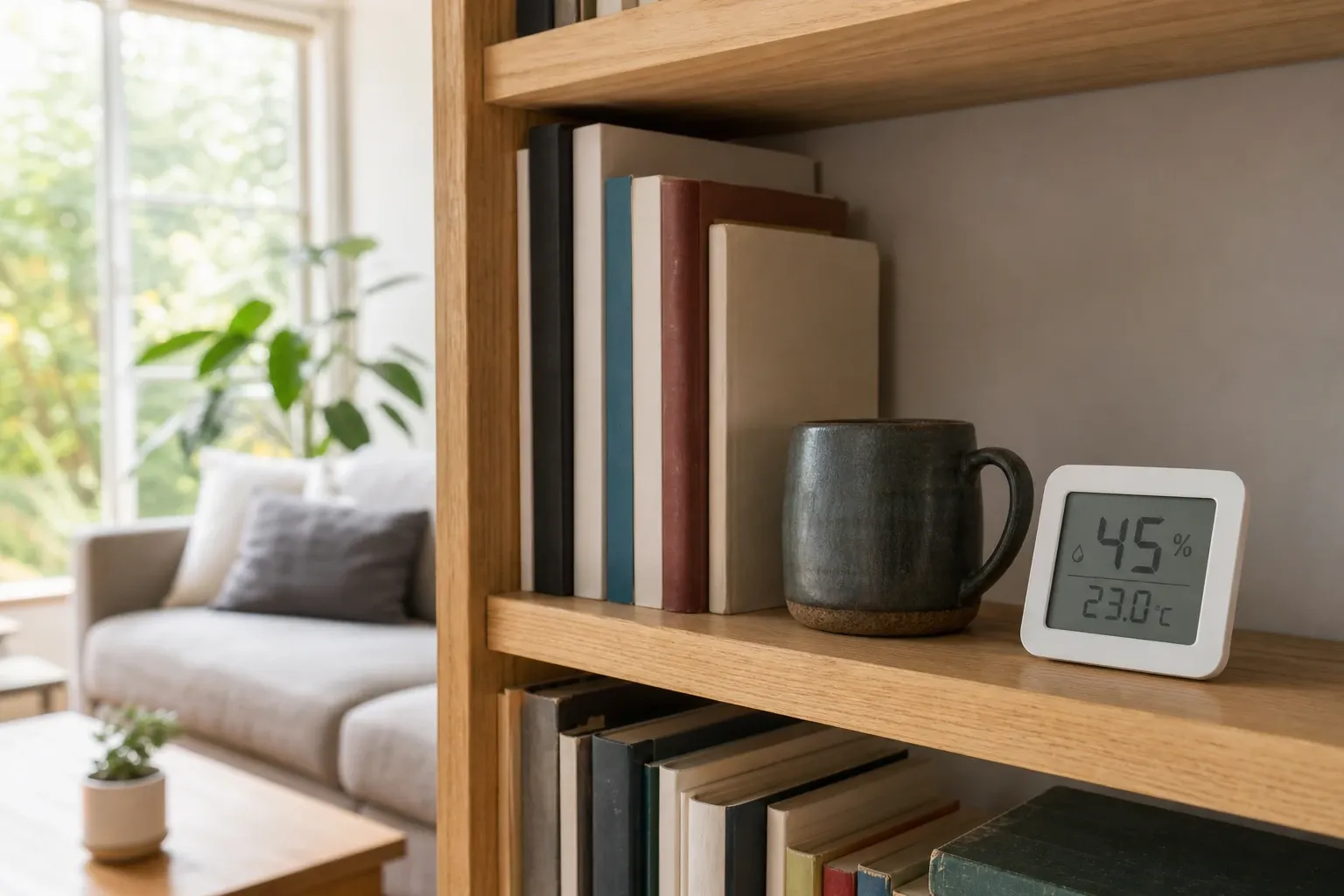
- Measure your room’s humidity for a week.
- Decide if you need dry air, drinking water, or both.
- Check whether the coil, tank and hoses are documented as drinking-water safe.
- For a finished water generator, note its filter schedule and costs.
- Budget for electricity and filter changes.
- For a home build, plan on a certified lab test before any drinking use.
Where this fits in making water from air
This comparison is one piece of the bigger picture of making water from air at home. Our main guide to atmospheric water generators and how they work covers the full range of options, from countertop units to off-grid setups, and helps you see where a home build or a dehumidifier fits alongside stored water and rainwater.
So, can a dehumidifier be your drinking-water source?
No, not unless its maker clearly says it’s made for drinking water. Use a standard dehumidifier’s water for plants, cleaning and flushing.
If you want a water collector you understand inside and out, the Water Freedom System is one guide for a hands-on home build. Drink its output only after a certified lab test shows it’s safe.
Check the guide’s contents, price and refund conditions on the official site.
See the Water Freedom System guide on the official site60-day money-back guarantee
Questions people ask
Does an atmospheric water generator need electricity?
Yes. Atmospheric water generators that use a cold coil need electricity to run the compressor and fan, just like a dehumidifier. Check the maker’s power and output figures for the temperature and humidity you expect. If you’re thinking about solar power, have a qualified professional size the system for the appliance’s load.
Do atmospheric water generators work in dry air?
They work poorly in dry or cool air. Condensing units need warm, humid air to produce much water, and output drops sharply when relative humidity is low or temperatures fall. In a dry climate, expect little water, and keep stored water as your main supply rather than relying on any machine.
How often should I clean a water-collecting unit's tank?
Follow the maker’s schedule for cleaning, sanitizing and replacing the water. Replace filters on the schedule in the manual too. A clean tank keeps slime and bacteria from building up.