Some links on this page are affiliate links: we may earn a commission if you buy, and your price doesn't change. Details
Water Freedom System: A $39.69 step-by-step guide (PDF and videos) to building a home water-from-air unit around a store-bought dehumidifier, plus four bonus books.
See the Water Freedom System guide on the official site60-day money-back guarantee
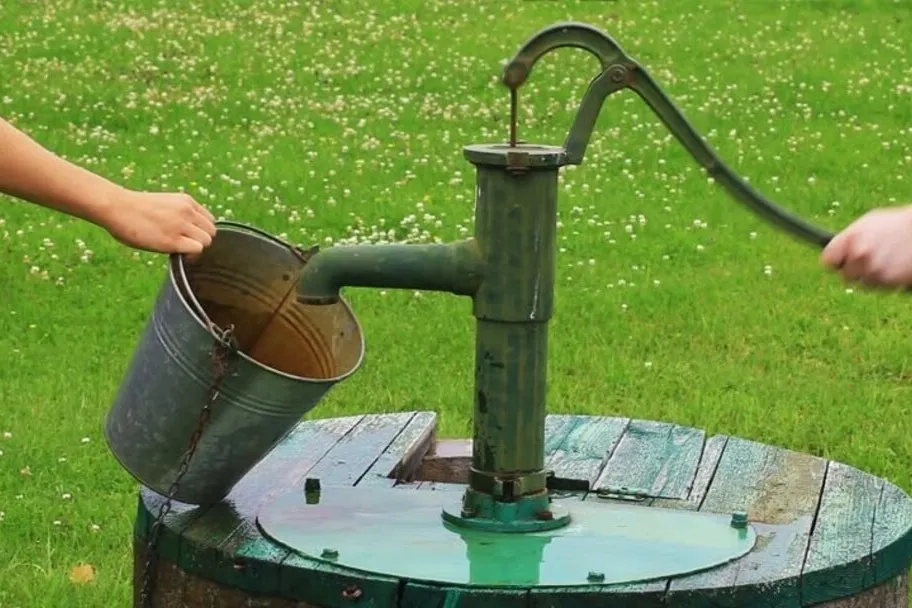
How do you get water off-grid?
An off-grid water supply system is a source, a place to store water, a way to treat it and a way to get it to your tap. You pick the source that fits your land, then build the rest around it.
Here’s a simple example. A cabin has a metal roof, gutters, a 1,500-gallon tank and a standing order with a water hauler for dry months. The tank fills when it rains. The hauler tops it off when it doesn’t.
The four building blocks: source, storage, treatment, delivery
Every setup needs four parts: a source, storage, treatment and delivery.
- Source: rain, hauled water, a spring, surface water or air-to-water.
- Storage: a water storage tank, cistern (a tank that holds water, often buried) or food-grade barrel.
- Treatment: a water filter plus disinfection, such as boiling or chlorine bleach.
- Delivery: gravity, a hand pump or a solar pump.
Every source needs treatment before you drink it. Rain off a roof picks up bird droppings and dust. Spring water can carry germs even when it looks clear. The off-grid water purification guide covers the steps.
Filtering and disinfecting handle germs and particles. They do not make chemically contaminated water safe. Roof runoff can pick up metals or residues from roofing and gutters, and surface water can carry chemicals from farms or roads. If you plan to drink from roofs, springs or creeks, have the water tested by a certified lab, and ask your local health department which tests make sense for your area.
Why most setups combine two sources
Most off-grid homes use two sources because any single one can fail. Rain stops in a dry spell. A hauler can’t get through a washed-out road.
A backup source keeps you covered. Pair a main source with one that works under different conditions, such as rain plus hauled water.
Rain, storage, air-to-water or hauled water: which fits you?
Rain plus a big tank is the usual low-cost base, hauled water is the easiest start, and air-to-water is a small extra. The table gives rough, general comparisons, not quotes.
| Source | Upfront cost | Effort | Reliability | Best use |
|---|---|---|---|---|
| Rainwater catchment | Low to medium (gutters, tank, first flush diverter) | Medium: keep gutters and screens clean | Depends on local rainfall and roof size | Main source in wetter areas |
| Hauled water + tank | Low to start; ongoing delivery fees | Low | Depends on truck access and the hauler | Simplest start, dry-season backup |
| Air-to-water / dehumidifier | Medium to high | Low to medium | Depends on humidity, temperature and power | Small backup |
| Surface water / spring | Low to medium | High: heavy treatment | Varies by season | Properties that have one |
Rainwater catchment
Rainwater harvesting works best where rain falls through much of the year. You need a roof, gutters, a first flush diverter (a device that sends the dirtiest first rain away) and a tank. A smooth metal roof is easier to keep clean than old asphalt shingles. See the rainwater harvesting guide for the full setup.
Hauled water and large storage tanks
Hauled water means a truck fills your tank. You need a tank, access for the truck and a clean fill hose. Ask the hauler whether the water is potable (meant for drinking). Treat it anyway if you’re unsure.
Air-to-water and dehumidifier water
An atmospheric water generator pulls moisture from air. Output swings with humidity, temperature and electricity, so treat it as a supplement. Finished drinking-water generators treat their own water, so follow the maker’s instructions and filter schedule. Dehumidifier and home-built condensate is not drinking water as collected. Use it for plants, cleaning and flushing. Boiling, bleach and household filters kill germs or catch particles, but they don’t remove metals or chemicals that coils, solder, drip pans or non-food-grade plastics can add. It only becomes a drinking option if every part touching the water is drinking-water safe, the treatment fits the contaminants actually present (for example, a filter certified to NSF/ANSI 53 for lead), and a certified lab test confirms the water is safe. The atmospheric water generator overview explains how they work.
Surface water and springs
A spring or a creek is cheap to tap but needs the most treatment, and it should be tested for chemicals as well as germs. A well is outside this page, but the same testing advice applies to any ground or surface source.
Quick tip: If you can only afford one thing first, buy the tank. It works with every source.
How much water do you need, and how long does 500 gallons last?
Five hundred gallons lasts one person about 500 days on drinking and cooking only, or roughly 7 to 10 days on typical full household use, depending on habits. Plan around your own numbers.
The CDC says to store at least 1 gallon per person per day for 3 days, and a 2-week supply if possible. That’s a floor for emergencies, not for daily life.
A simple household calculation
Divide your tank size by your daily use. For 500 gallons:
- One person at 1 gallon a day (drinking and cooking): the math gives 500 days.
- One person at 5 gallons a day (careful off-grid use with short washes): the math gives 100 days.
- Family of four at 20 gallons a day: the math gives 25 days.
Those daily figures are planning guesses. Track your real use for a week.
Drinking versus all-in household use
Drinking and cooking use little. Showers, laundry and toilets use most of the water. Many off-grid homes cut use with short showers, a composting toilet and full laundry loads.
To size a tank, multiply daily use by the longest gap between refills, then add a cushion. Say a cabin uses 10 gallons a day and faces a 60-day dry gap. That’s 600 gallons on paper, so plan for more.
How do you store off-grid water so it stays usable?
A food-grade tank or barrel, kept dark, closed and clean, keeps stored water usable. Light grows algae, and open lids let in insects and dirt.
- Use food-grade containers only. Never reuse barrels that held chemicals.
- Keep tanks out of sunlight, or choose opaque ones.
- Screen every opening against mosquitoes.
- Clean the tank once a year, and rinse before refilling.
- Rotate stored drinking water. The CDC advises replacing emergency water every six months.
In freezing areas, bury the tank below the frost line or put it in a heated space. Insulate pipes and leave some air space in the tank so ice has room. Partly full tanks freeze solid more slowly than small ones.
For water that is clear of chemical worries, such as hauled potable water, filter out particles, then disinfect. The EPA explains how to disinfect water with household bleach, and boiling works too. The CDC says to boil for 1 minute, or 3 minutes above 6,500 feet. Boiling kills germs but doesn’t remove chemicals.
For tank choices, see the emergency water storage tank comparison.
Is it legal to live off-grid and collect water in the US?
Off-grid living is legal in most places, but rules vary by state and county, so check your local regulations before you build.
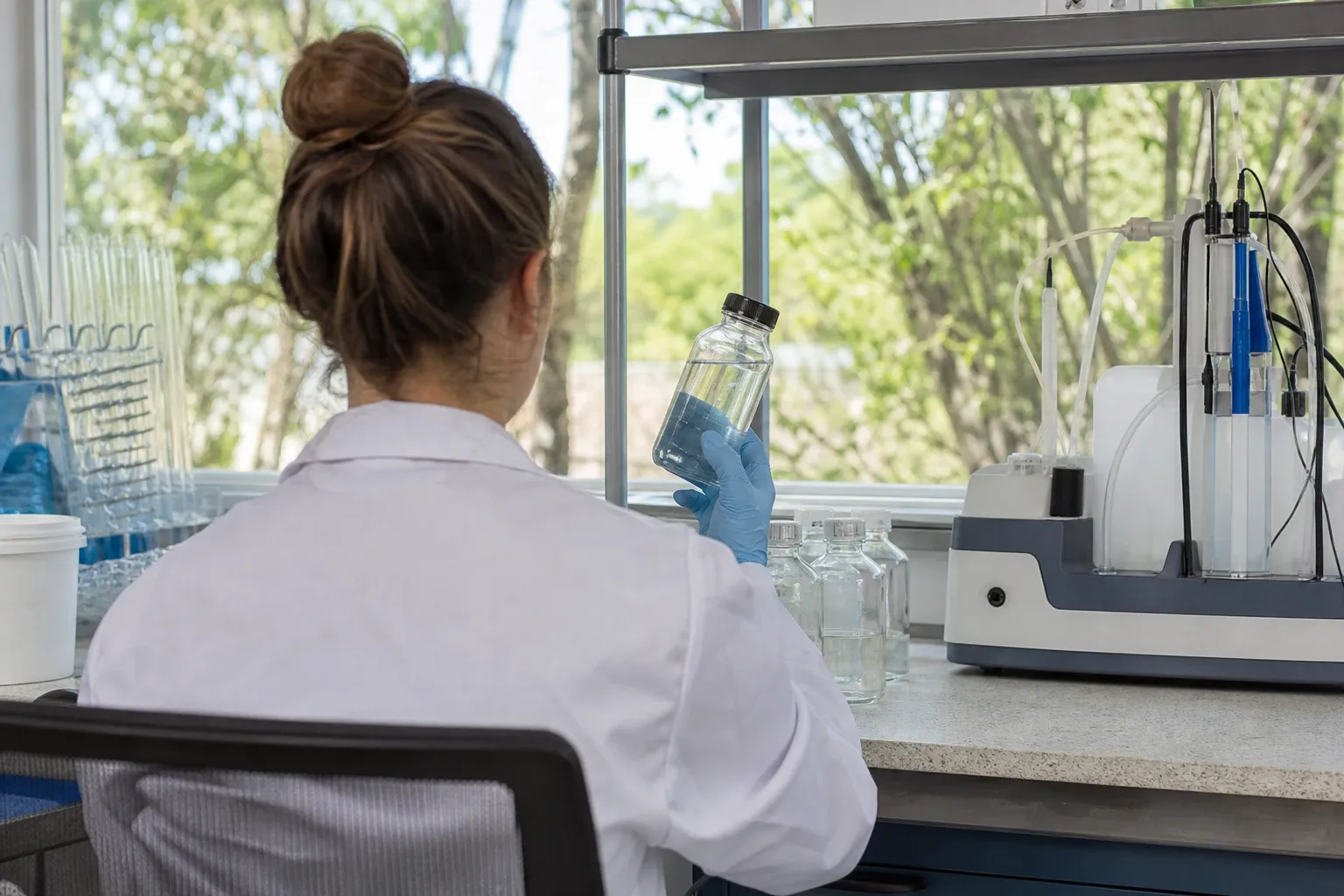
Rainwater collection laws differ by state. Some states encourage it, and some limit how much you can store or how you use it. The state rules overview is a starting point.
Permits and occupancy rules often matter more than the water source. Many counties require approved water and waste systems before a home can be lived in. Call your county planning or health department and ask what they accept for drinking water and when they want it tested. For anything involving pumps and wiring beyond plug-in parts, ask a licensed electrician.
Can you build a DIY off-grid water system?
Yes. Start with a barrel and gutter setup, then add parts as you learn your site.
Easy first builds
A food-grade barrel under a downspout, with a screen on top and a first flush diverter, is a good first project for garden and cleaning water. It suits homeowners with a gutter and a few hours. Next steps are a bigger tank or a gravity line to a sink. The DIY rainwater plan walks through it.
Where a dehumidifier-based water maker fits
A home air-to-water build is a small backup, and its output depends on humidity. The Water Freedom System is a step-by-step guide (PDF, videos and optional printed book) for building a dehumidifier-based unit. It isn’t a ready-made machine.
The maker’s presentation says a build can make up to 60 gallons a day, and calls the water “completely pure.” Treat both as the maker’s claims. No independent output tests of builds from the guide have been published. Drinking water is the goal of a home build, but confirm it with a certified lab test first; until then, use it for plants, cleaning and flushing.
The digital version costs $39.69, paid once, with four bonus books. A 60-day money-back guarantee runs through ClickBank, counted from the purchase date. For physical-book buyers, shipping isn’t refundable. Read our Water Freedom System review for details. Skip it if you live somewhere dry, or want a drinking source without testing it first.
See what the guide covers and the 60-day refund terms on the official site.
See the Water Freedom System guide on the official site60-day money-back guarantee
Which off-grid water setup should you start with? (quiz)
A short quiz can point you to a starter combination based on rainfall, budget, power and effort.
Which off-grid water setup should you start with?
Five quick questions point you to a starter setup. It's a planning aid, not a site assessment.
Spring or creek, with testing and strong treatment
A flowing source can carry the most water, but it needs the most care. Have a certified lab test it first, then plan filtration plus disinfection to match what the test finds, and retest over time. Our off-grid water purification guide covers the options.
Rain plus a storage tank, with hauled water as backup
Your rainfall and roof can do most of the work. Size the tank for your longest dry spell, add a first-flush diverter and screens, and keep a hauled-water plan for dry months. Start with our DIY rainwater system walkthrough and rainwater tank guide.
Stored water plus a small air-to-water backup
Humid air gives an air-to-water unit something to work with, though output still depends on humidity, temperature and power. Treat it as a top-up next to stored water, and lab-test the water before drinking it. See our off-grid atmospheric water generator guide for the power side.
See the Water Freedom System guide on the official site60-day money-back guarantee
Hauled water plus a storage tank
Delivered water into a sealed, drinking-water-rated tank is the simplest steady setup. Plan tank size around delivery gaps. Our emergency water storage tank guide covers sizes and placement.
Start with stored water and get local advice
With little rain, dry air and no delivery, begin with a solid stored supply and ask your county health department or a licensed well contractor what water sources work locally. Our emergency water storage guide is a good first step.
Use your result as a first step, then adjust after a season of watching your real use.
Where to go next
An off-grid water supply system builds on the same idea as an atmospheric water generator: know your source’s limits and plan around them. Air-to-water fits as one small piece, and the off-grid atmospheric water generator page covers power and humidity limits. If rain is your main source, rainwater harvesting is the best next read.
More guides in Off-grid water
Questions people ask
Can you drink rainwater after collecting it?
Not without care. Filtering and disinfecting handle germs and particles, but they don’t remove chemicals that roofs, gutters or tanks can add. Have the water tested by a certified lab and ask your local health department before you drink it. Until then, use it for plants, cleaning and flushing.
How big a tank does a cabin need?
Multiply daily use by your longest gap between refills, then add a cushion. Say a cabin uses 10 gallons a day and faces a 60-day dry spell. That’s 600 gallons on paper, so plan for more. Track your real use for a week first.
What is the cheapest off-grid water source?
Often it’s rain from a roof you already have, caught with gutters and a barrel. A spring or creek on your land can cost less upfront but needs more treatment and testing. Hauled water has low startup costs but ongoing delivery fees.