Some links on this page are affiliate links: we may earn a commission if you buy, and your price doesn't change. Details
Water Freedom System: A $39.69 step-by-step guide (PDF and videos) to building a home water-from-air unit around a store-bought dehumidifier, plus four bonus books.
See the Water Freedom System guide on the official site60-day money-back guarantee
How do machines make water from air?
An atmospheric water generator (AWG) pulls vapor out of the air and turns it into liquid, much like a dehumidifier. You may also see it called an air-to-water machine.
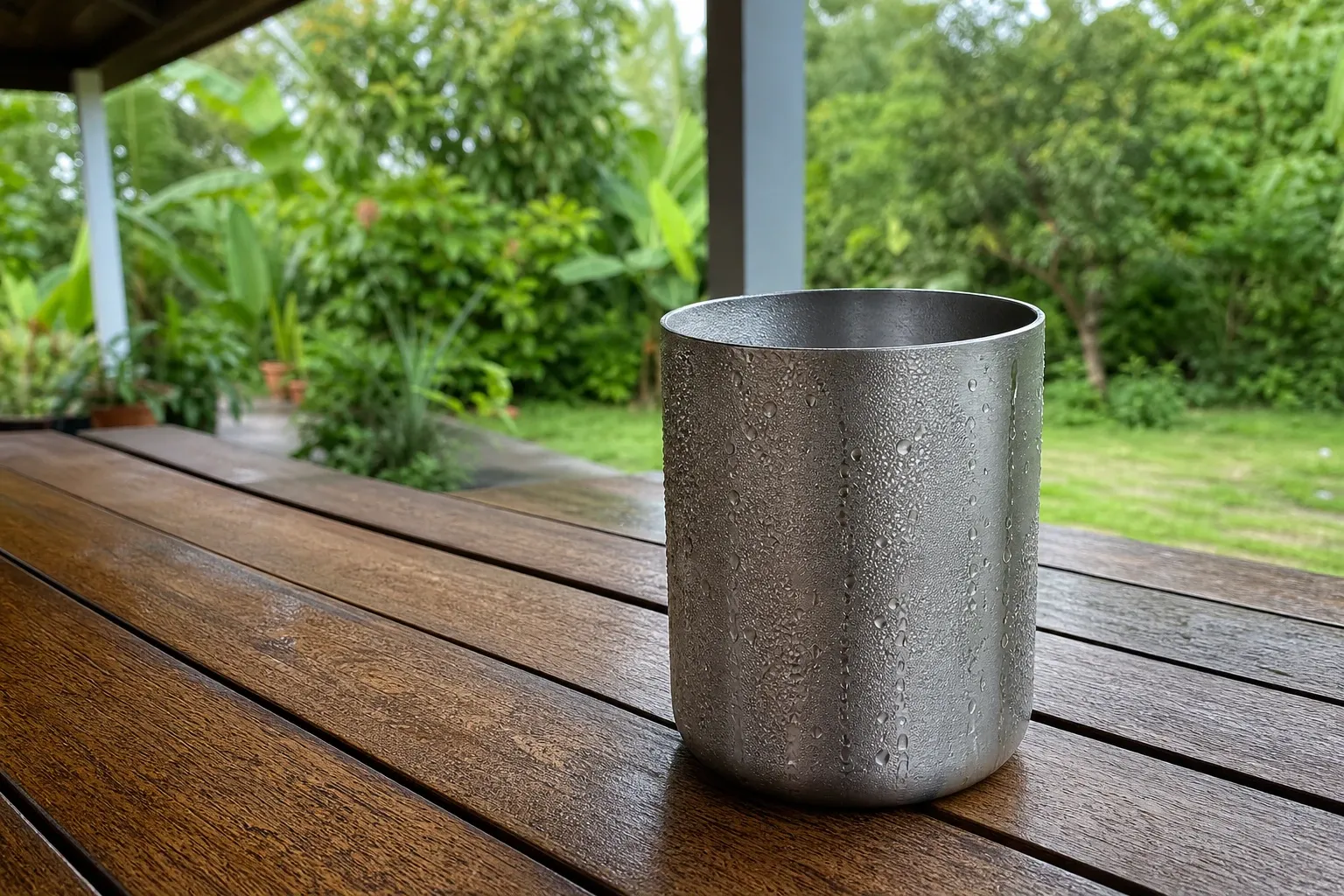
Picture a cold glass sweating on a summer day. The glass cools the air touching it below its dew point (the temperature where air can’t hold all its vapor), so droplets form. A machine does that on purpose, with a fan and a cold coil.
Air intake and filter
The air filter at the intake catches dust and pollen before air reaches the coil. A dirty filter cuts airflow and puts more grime in your water, so it needs regular cleaning or swapping.
Cooling coil and condensation
The cooling coil is a chilled metal surface where vapor turns to droplets. The EPA says the most common AWG systems use a condenser and cooling coil the same way a household dehumidifier does.
Collection, filtering and storage
Droplets run into a tank, then usually pass through filters and a disinfection step. Stainless steel or food-grade tanks are the better choice, and sealed lids keep dust out.
Condensation, desiccant or fog nets: which method fits which conditions?
Condensation suits warm, humid air, desiccant copes with drier air but needs heat, and fog nets only work where fog is frequent.
| Method | Best conditions | Power | Typical scale | Main drawback | Suits |
|---|---|---|---|---|---|
| Condensation | Warm, humid air | Electric compressor and fan | Home to commercial | Output drops in dry or cool air | Humid-region homes |
| Desiccant | Drier air | Heat (often solar) plus fan | Small to lab scale | Needs heat; fewer home products | Dry-climate experiments |
| Fog nets | Frequent fog | None | Community scale | Useless without fog | Foggy coasts, hills |
Condensation (cooling coil) machines
These are the machines you can actually buy. They have moving parts, make fan noise and use real electricity. They suit a humid home with a power supply.
Desiccant machines
A desiccant is a material that soaks up vapor; heat then drives the water out. MIT’s window-sized hydrogel harvester ran a week in Death Valley with no power and gave up to 160 milliliters a day. That’s promising lab work, not a shelf product.
Fog nets and passive collectors
Fog nets are mesh panels that catch fog droplets. They need no power but only pay off where fog rolls in often. See our guide to making water from air without electricity.
How much water will it make where I live?
Output depends mostly on air temperature and humidity, so the same machine makes much more in a humid summer than in a dry winter.
Humid vs dry climates
The EPA notes that water production is highly dependent on temperature and humidity. The EPA page says home units are rated at 1 to 20 liters a day, and commercial units at 1,000 to over 10,000. Those are rated figures, not promises. In a dry state like Arizona, a condensation unit may make far less than its label. Storage or rainwater may serve you better there.
Why output is quoted in liters per day with caveats
Makers rate output at ideal conditions. The EPA page says the Watergen GEN-350, a commercial-scale unit, can generate nearly 600 liters a day in optimal temperature and humidity. That is the maker’s best-case rating. Treat any rating as a ceiling. One liter is about a quarter gallon.
How much does it cost to make water from air?
The energy cost per liter is easy to work out yourself, and it is usually well above tap water.
Price of machines
Prices vary by model and seller, and I can’t give a reliable figure for brands such as Airowater or Aquaria. Check current listings and ask for rated output, filter costs and warranty.
Cost per liter: energy and filters
Here’s a worked example with assumed numbers. A unit draws 500 watts for 24 hours: 12 kWh. At 16 cents per kWh that’s $1.92. If it makes 10 liters, energy costs about 19 cents a liter. Add filters, and it could be more. Tap water costs a tiny fraction of a cent per liter, and bottled water often costs from about 25 cents to a dollar or more per liter.
Quick tip: Use your own watts, hours, rate and a realistic liter figure for your humidity.
Is the water safe to drink?
Water from an AWG isn’t automatically safe, because dust, coils and tanks can add germs or chemicals.
Filtration, UV, ozone and mineralization
Finished drinking-water units usually add multi-stage filters, UV light or ozone, and sometimes mineralization (adding minerals back, since condensate tastes flat). Follow the maker’s instructions and filter schedule.
Microbial risks and cleaning
In a three-month study, the EPA found no Legionella or Mycobacteria in weekly samples of a Watergen GEN-350, but high heterotrophic plate counts (a general bacteria count). Independent certification is patchy, so ask any seller for test reports. Clean tanks and filters on the maker’s schedule.
Dehumidifier water is for plants, cleaning and flushing. Boiling or bleach won’t remove metals or chemicals from coils or pans. See is dehumidifier water safe to drink.
Can I build a DIY or solar atmospheric water generator?
A dehumidifier-based build is the simplest DIY route, and it makes water for non-drinking uses unless every part is drinking-water safe.
Dehumidifier-based home builds
The Water Freedom System is a guide with PDF, videos and four bonus books on building such a unit. The maker says it can make up to 60 gallons a day, though the guide gives no output figure. It costs $39.69 for the digital version, paid once, with a 60-day money-back guarantee through ClickBank. Refund conditions are on the official site. The Companion Manual calls the water pure, but I wouldn’t rely on that without a certified lab test.
Solar-powered versions: realistic or not?
Solar needs a lot of panel for modest output, since compressors draw hundreds of watts. Our DIY solar planning guide covers sizing.
Will air-to-water be a main drinking source by 2050?
Air-to-water will most likely stay a niche, emergency and remote-use source because of energy and cost.
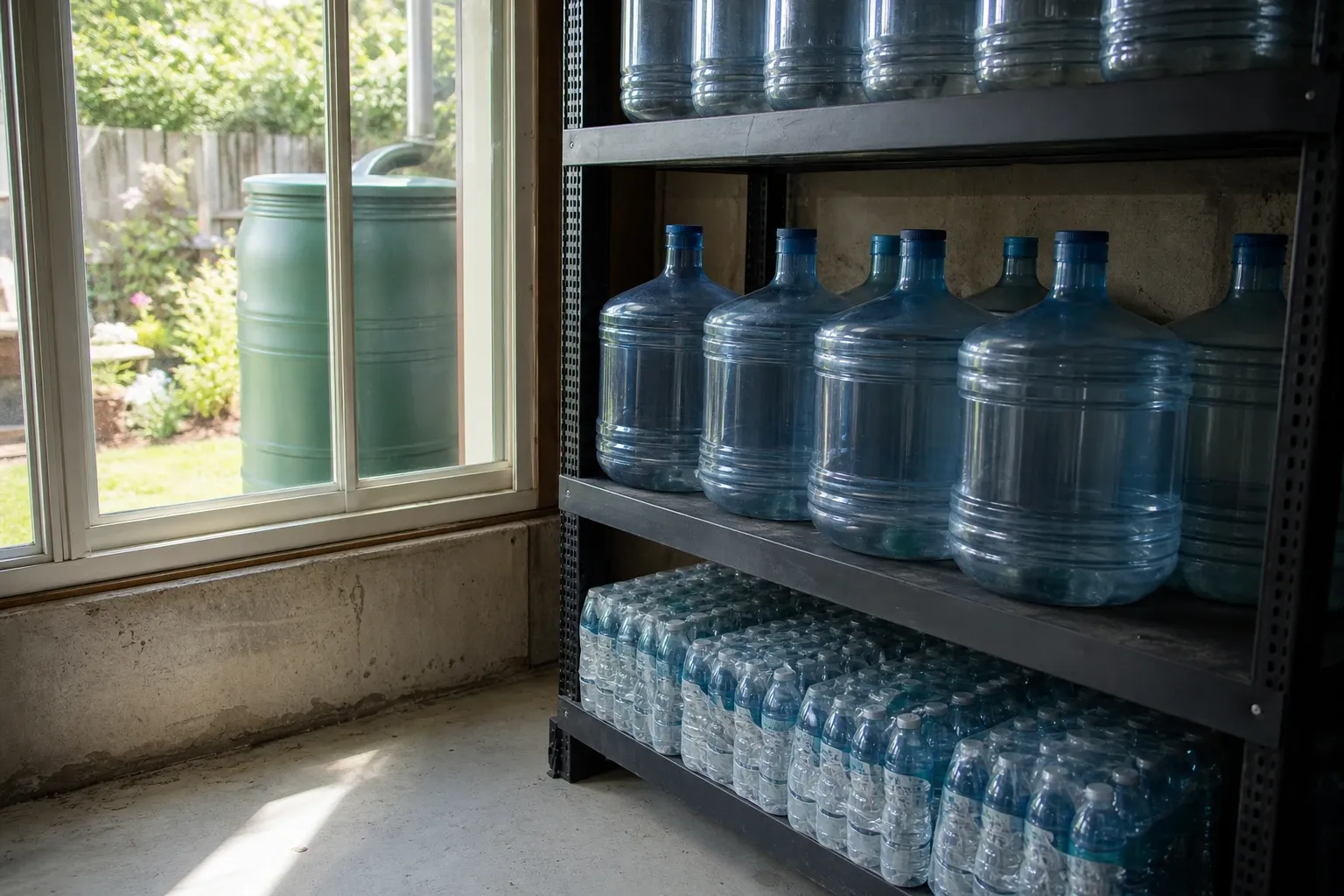
It can back up stored water and rainwater during drought or outages. For most homes, a stored supply is the base. The CDC suggests at least 1 gallon per person per day for 3 days, and two weeks if you can.
Where do I go from here?
Our guide to the atmospheric water generator covers the basics, and how atmospheric water generators work goes deeper. If you’re weighing a dehumidifier, read atmospheric water generator vs dehumidifier. For off-grid homes, see off-grid atmospheric water generators.
See what the Water Freedom System guide covers and the 60-day refund terms on the official site.
See the Water Freedom System guide on the official site60-day money-back guarantee
Questions people ask
Do water from air machines work in dry climates?
Condensation machines lose much of their output in dry air, and some stop making useful water. Desiccant designs cope better but need heat. If your air is dry, stored water or rainwater is usually the more dependable plan.
How often should I clean an atmospheric water generator?
Follow the maker’s schedule, since it varies by model. As a rule, clean the air filter often, swap water filters on time, and sanitize the tank. Dust and warm, stagnant water let microbes grow.
How much electricity does an air-to-water machine use?
It depends on the model, so check the watts on the label. A unit drawing 500 watts for 24 hours uses 12 kWh. Multiply by your local rate, then divide by the liters it actually makes.